Sponsored posts that feel transactional or overly scripted struggle to hold attention. What audiences respond to now is something far more human: real experiences, lived moments, and authentic storytelling.
This shift has led to the rise of brand trips, curated travel experiences where brands invite influencers not to promote a product directly, but to immerse themselves in the brand’s world. When done well, these trips don’t feel like campaigns at all. They feel like stories.
Why travel-based influencer collaborations drive engagement
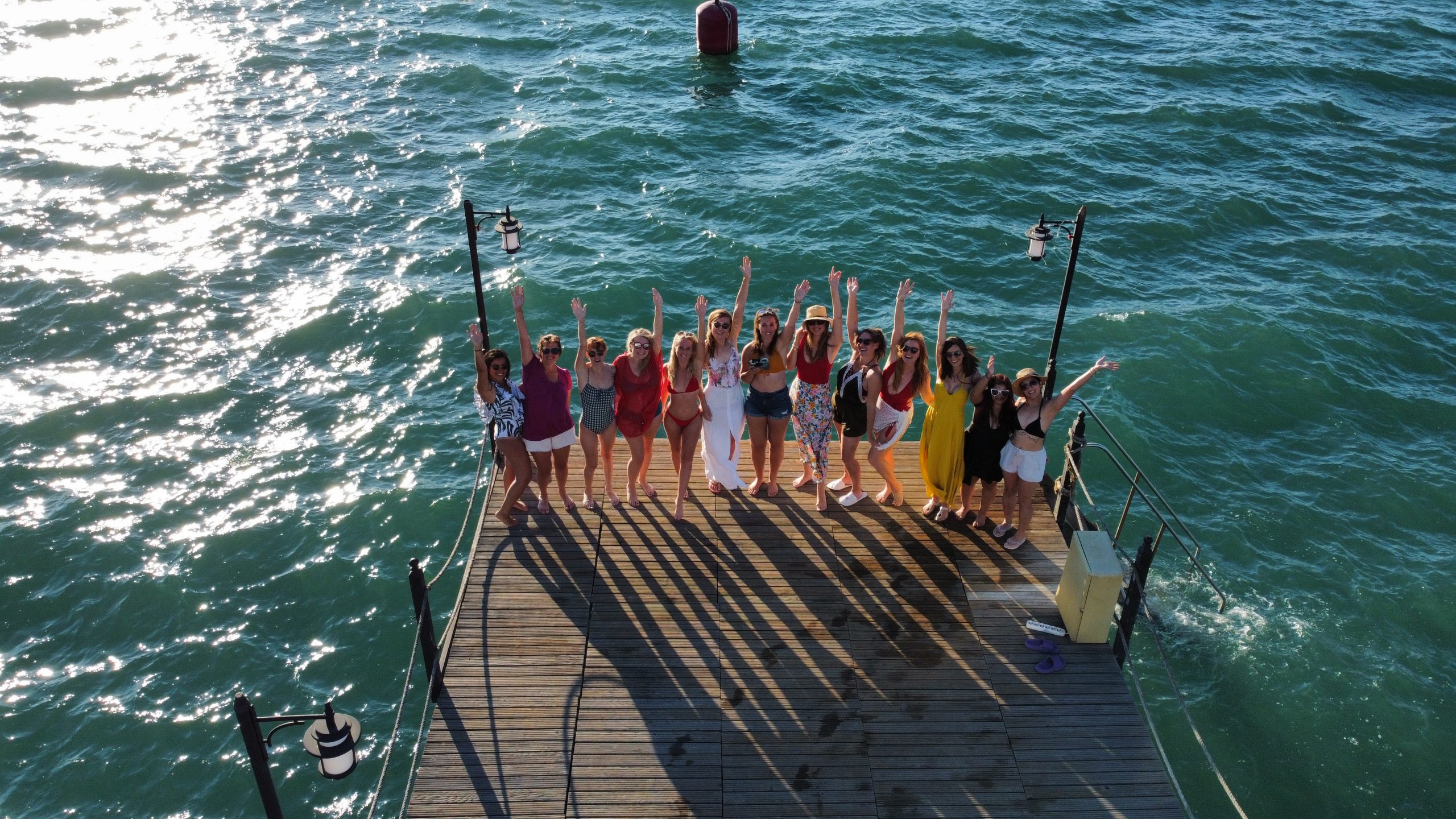
Travel naturally creates a narrative. There is anticipation before the journey, discovery during the experience, and reflection afterward. This built-in structure makes content feel organic and continuous, rather than isolated or overly promotional. Followers don’t engage with a single post, they follow a journey.
Travel-based collaborations tend to perform especially well because they:
Create an emotional connection through aspiration and curiosity
Encourage ongoing content instead of one-off posts
Feel immersive rather than intrusive
Invite audiences into a lifestyle, not a sales message
When a brand becomes part of that emotional space, it is remembered not as an advertiser, but as part of an experience. Engagement grows not because audiences are being sold to, but because they are being invited in.
From promotion to storytelling: the role of brand trips
What makes brand trips especially effective is their subtlety. Influencers are not asked to repeat a sales message. Instead, they share what they see, feel, and experience in their own voice. This shift from promotion to storytelling builds trust, which is increasingly difficult to achieve in digital environments.
The result is content that feels personal rather than commercial. Comments become conversations. Saves and shares increase. The brand earns attention instead of demanding it.
Case study: Revolve and influencer travel marketing
A widely recognized global example of successful influencer travel marketing is Revolve.
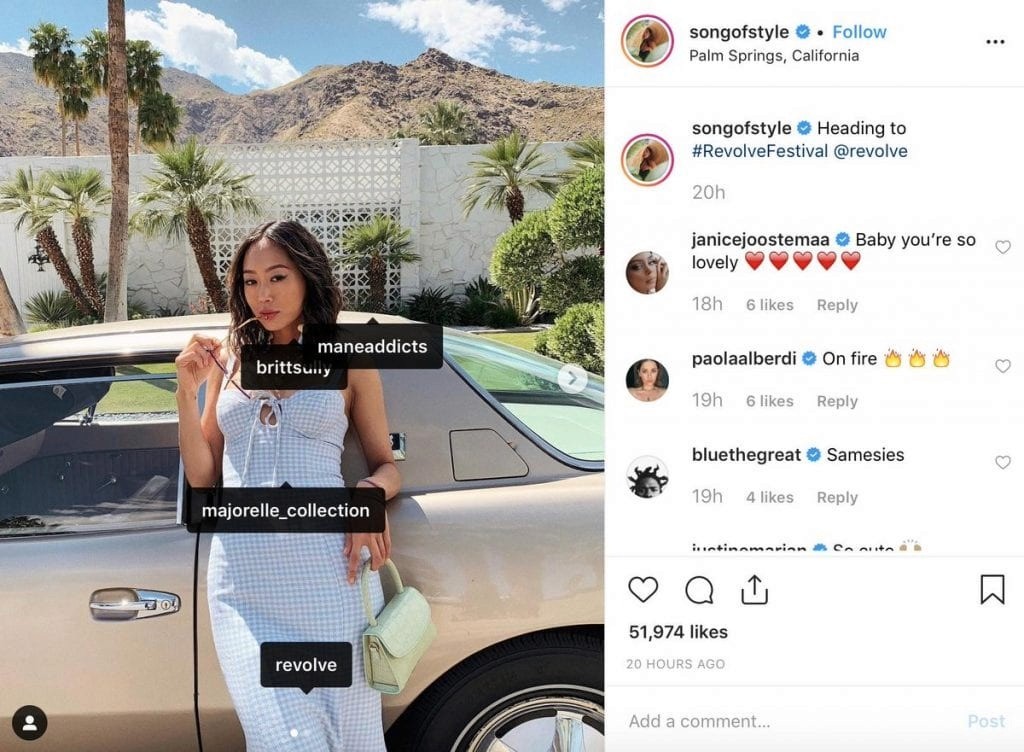
Revolve has transformed influencer trips into a core part of its brand strategy. Through its well-known Revolve Trips, the brand invites fashion and lifestyle influencers to exclusive destinations tied to cultural moments such as Coachella, fashion weeks or seasonal launches.
These trips are not supporting campaigns. They are the campaign.
Key elements behind its success include:
Strong influencer-brand alignment: The influencers selected already reflect Revolve’s aesthetic, lifestyle and values, making the collaboration feel natural.
Content-first experience design: Locations, accommodations and activities are chosen for their visual and narrative potential, ensuring every moment can be shared.
Creative freedom: Influencers are not given rigid scripts. They communicate in their own voice, preserving authenticity.
Group dynamics and exclusivity: Multiple creators attend the same trip, multiplying reach while creating a sense of community and FOMO.
The result is a large volume of high-quality content that feels spontaneous, even though it is strategically planned.
Experiences are the new form of advertising
Key takeaways for brands include:
Think in terms of moments, not posts
Prioritize authentic alignment over follower count
Design experiences that influencers genuinely want to share
Plan how content will be reused long after the trip ends
As demonstrated by brands like Revolve, the most effective marketing today doesn’t ask for attention, it earns it. By creating experiences worth sharing, brands can build deeper connections, stronger engagement and more memorable identities in an increasingly crowded digital landscape.